
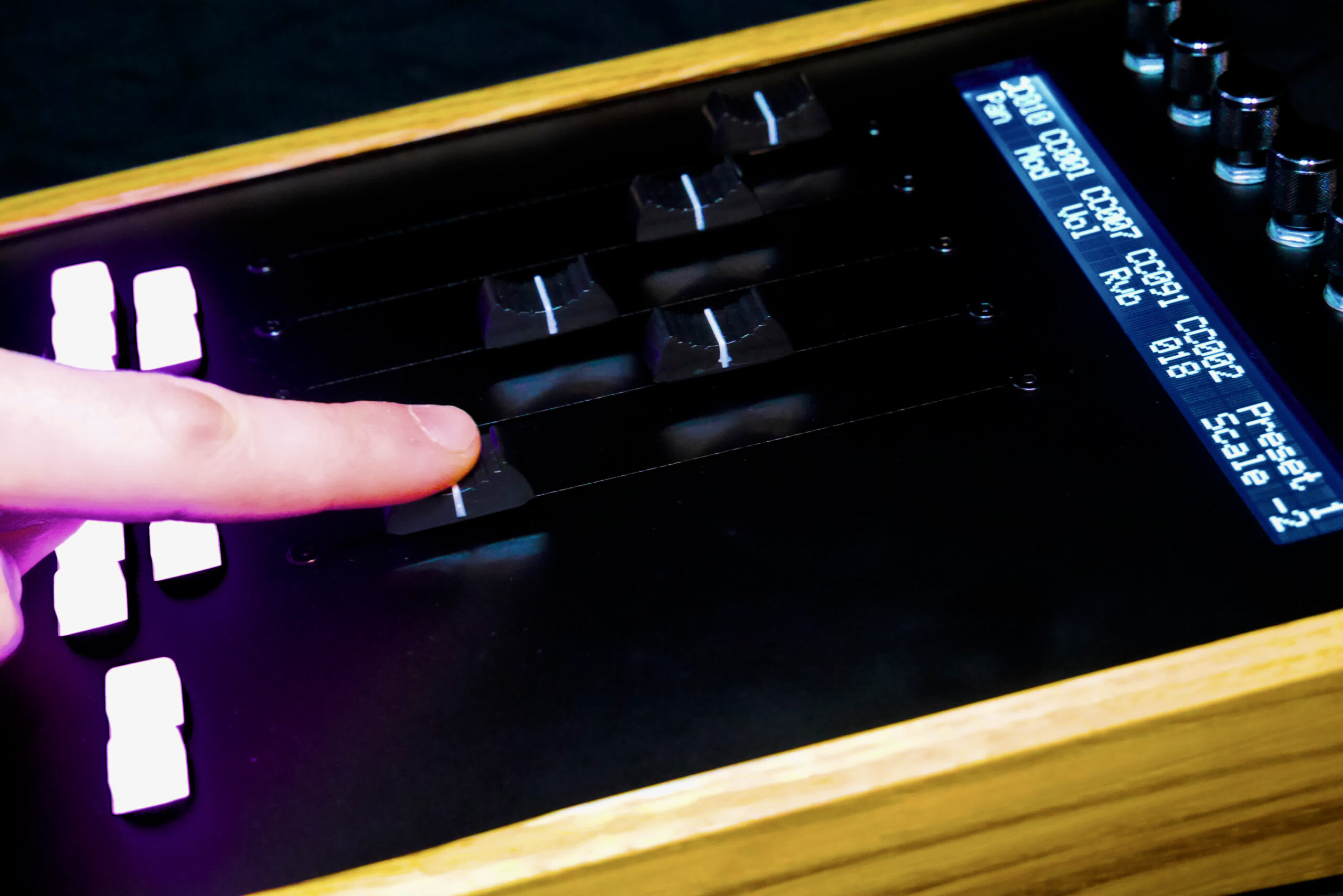
November 2025. The interviews began. I wandered through the LinkedIn pages of major orchestral library companies (mostly), and started connecting with some of their followers.
The process was simple: a short, impactful message asking for a brief video call to discuss their pain points as composers. Sometimes, no response, of course. Sometimes, a direct “Yes, let’s do this!”
For the more cautious ones, those asking for details, I mentioned the topic of MIDI automation for orchestral instruments. Almost every time, that got them to agree to meet. From my point of view, that was already a really good sign.
An important finding—or realisation—was just how different the workflows and production types were among all the composers I met (more than 40).
That included amateurs and aspiring film composers, editors and media composers, established video game composers, and veteran film and documentary composers (some even Emmy and other awards winners).
The truth is, they didn’t have exactly the same needs. Some were pressed by very short deadlines. Some had more time to dive deep into realistic programming (especially when they weren’t recording with a live orchestra afterward). Some could simply pass this work to an assistant. Some wrote exclusively simple music that sounded good without any tweaking.
Some had tried a lot of workarounds or other solutions on the market—without being fully satisfied. Some had given up and adapted to the lack of options.
Among them, a few really wanted to try the controller I had built. These were my “early adopters.” These were the ones who could become promising beta testers.
Now, I had to build a pre-production series and get help from these passionate, “MIDI-CCs-and-keyswitching-struggling” composers… We’ll get into that next week!
Laisser un commentaire